Winter Roads, A Shared Responsibility
-A message from Tanya Allen, Executive Director of Core Transit

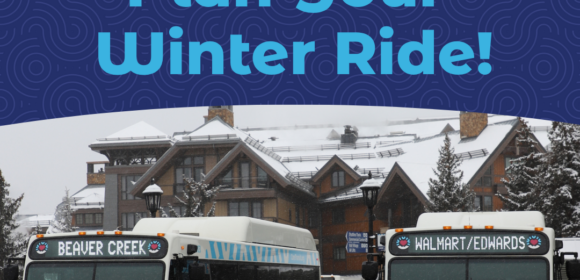
Winter is arriving in the valley, bringing snowy roads, busier streets, and plenty to look forward to. At Core Transit, we believe one of the safest and easiest ways to get around this winter is to leave the driving to us. Riding the bus means fewer cars on the road, less stress behind the wheel, and more time to enjoy the journey. Our winter schedule begins November 22, and planning your trip is easy at CoreTransit.org.
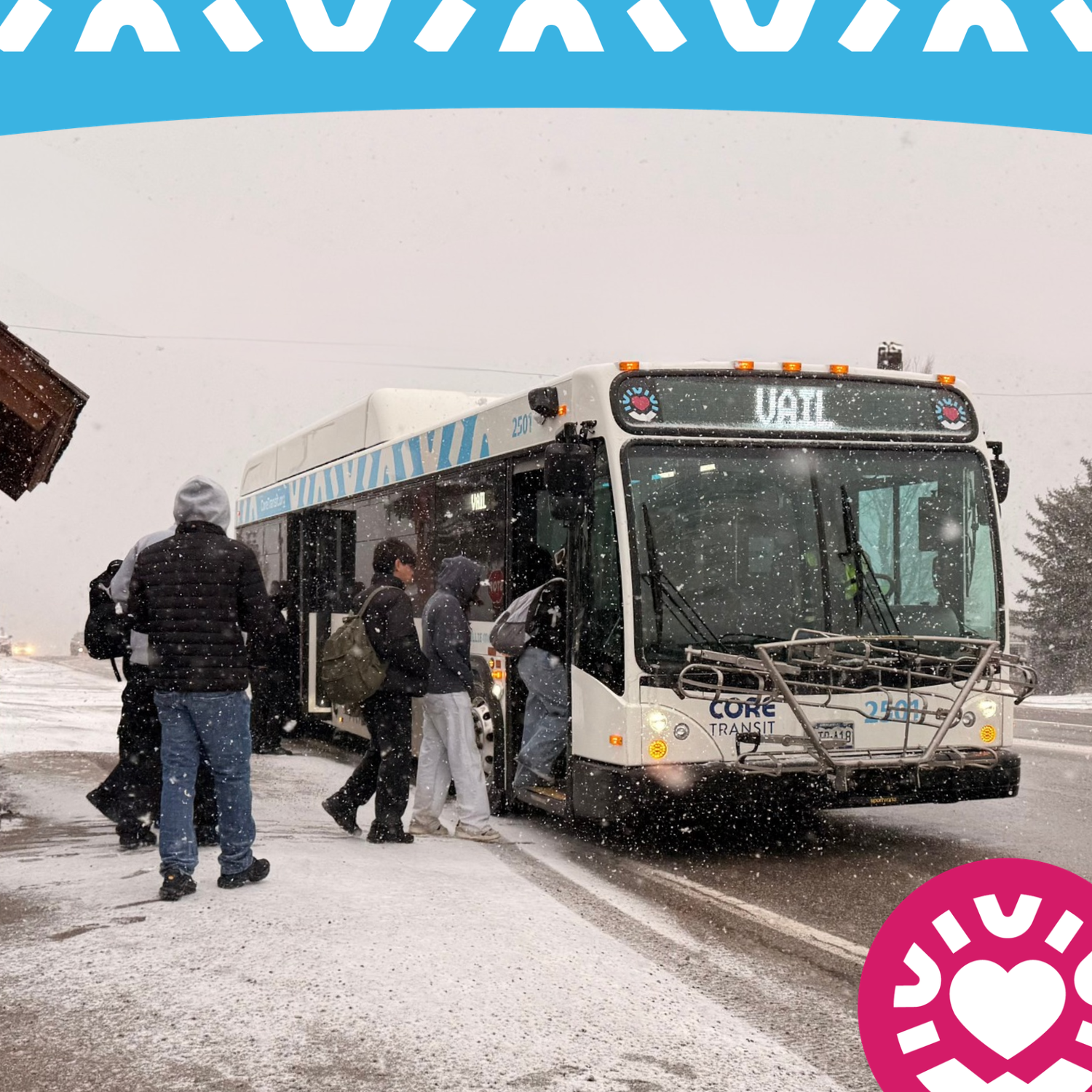
While our reliable and (mostly) fare-free service is becoming the community’s choice for more trips, we know that sometimes driving is still needed. And if you do find yourself driving this winter, chances are you’ll be sharing your road with a Core Transit bus.
Our operators face the same challenging winter conditions as everyone else, with the added responsibility of safely transporting thousands of passengers. But buses are bigger, heavier, and need extra time and room to maneuver. That’s where a little patience and understanding can make a big difference.
Here are three simple ways we can work together to keep our roads safer this winter.
Big Buses = Big Turns
If you’ve ever watched a bus navigate one of our valley’s roundabouts, you’ve probably noticed it takes a little more room than your average car.
Buses may need to use both lanes to make a turn safely, and Colorado law requires motorists to yield to buses and other qualifying large vehicles in certain roundabout situations. So, when you see a bus approaching or navigating a roundabout, slow down, give it room, and avoid driving alongside it.
Dropping back and giving the bus space costs only a few seconds, and it’s a simple way to help everyone make it through safely.
Sharing the Road Means Giving Each Other Space
Roundabouts aren’t the only places where a little extra room can make a big difference. On snowy or icy roads, stopping takes longer, especially for a bus loaded with passengers. And buses stop. A lot.
When driving near a bus, leave plenty of space, avoid cutting in too closely, and be prepared for buses slowing down to serve stops. If a bus is preparing to rejoin traffic, give the operator room when it’s safe to do so.
Why Our Buses Travel at 70 MPH
Ever been behind a bus and thought to yourself, “Why don’t they just go faster?” Good question. Here’s something you may not know: Core Transit buses have a maximum highway speed of 70 mph, even when the posted speed limit is higher.
This means you may notice our buses traveling a little slower than other vehicles on the highway. Since this is something you can expect, be patient, think a few steps ahead, and avoid a late-pass maneuver. Keep a safe following distance and pass only when it’s safe and legal.
A Little Patience Goes a Long Way
Whether it’s giving a bus room in a roundabout, leaving space near a bus stop, or being patient on the highway, these small decisions make a difference.
Behind every bus is an operator focused on getting people where they need to go safely, and passengers who are counting on that ride. Regardless of how we choose to travel, we all have friends, families, jobs, and places to be.
At Core Transit, we’re proud to serve this community, and we appreciate everyone who helps make our roads safer. Whether you’re riding with us or driving alongside us, we’re all working toward the same goal: getting to our destinations safely.
We share the road. Let’s share the responsibility.